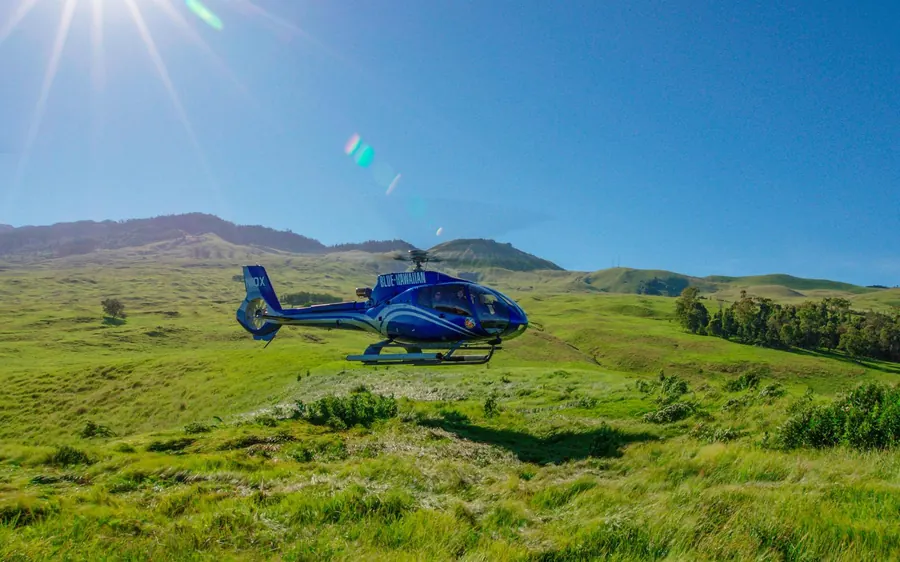
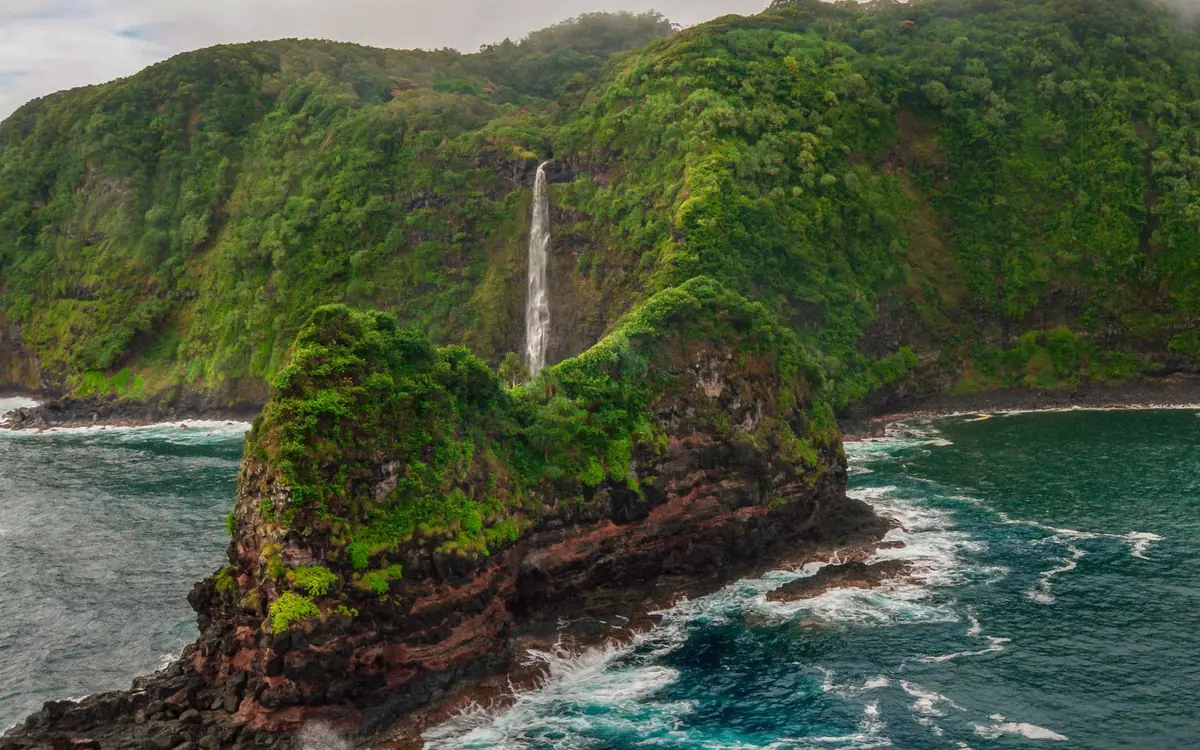
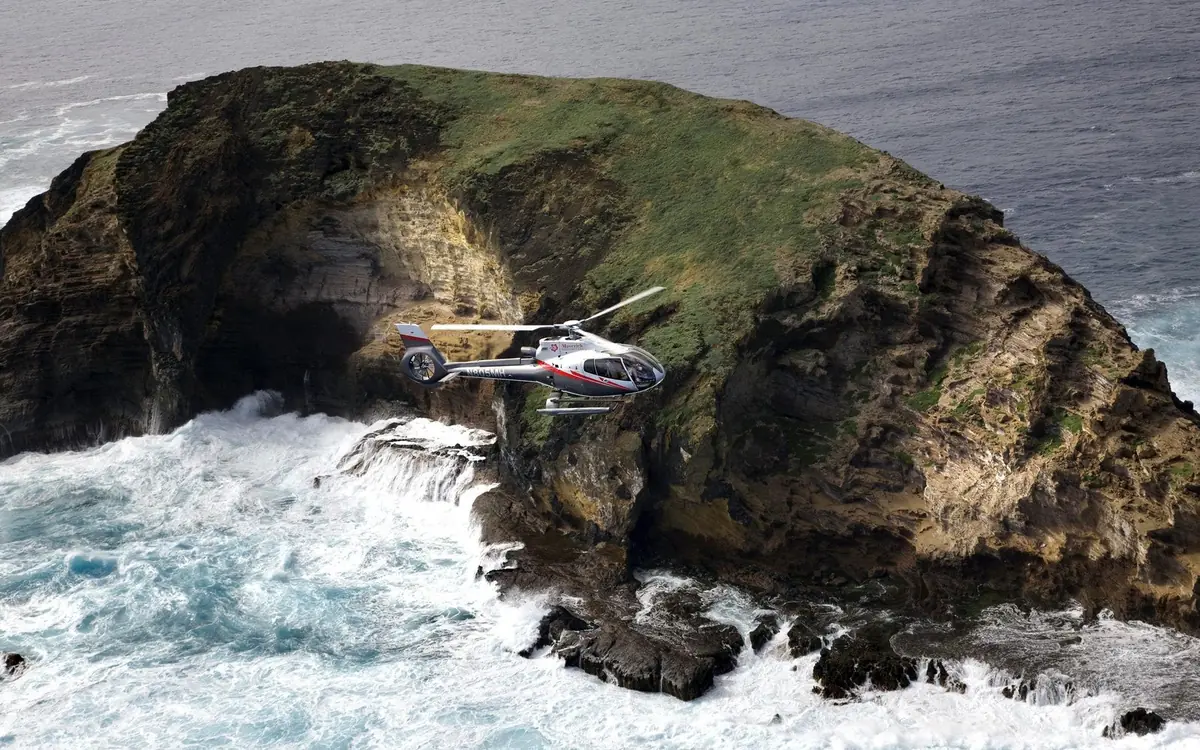
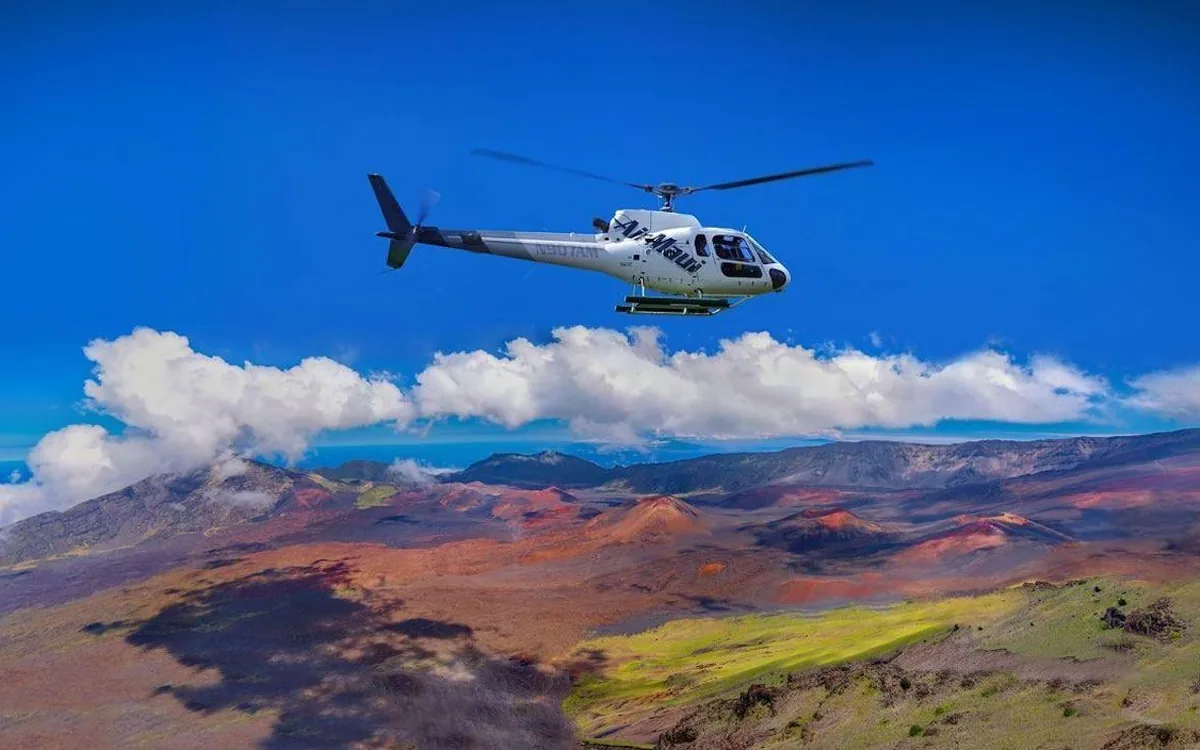
Here is the thing that decides whether a helicopter tour Maui sells is worth the money, and it is not the view: the place our top flight lands has no road to it. Not a rough road, not a permit road, not a trail with a gate. The Wailua Valley taro plantation is reached by helicopter or not at all, and the thirty minutes you spend standing in it exist only for people who arrived by air.
The Road to Hana is the comparison everybody actually makes. Sixty-four miles, about 620 curves and 59 bridges, forty-six of them one lane. Two and a half to three hours of driving without stopping, and ten to twelve hours round trip once you stop for the things you drove out there to see. It is a famous day and a genuinely good one.
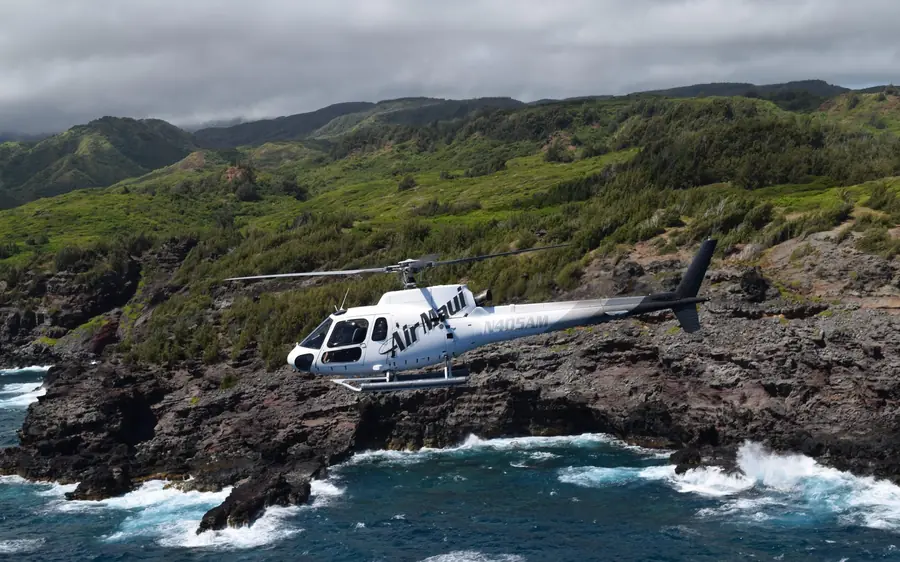
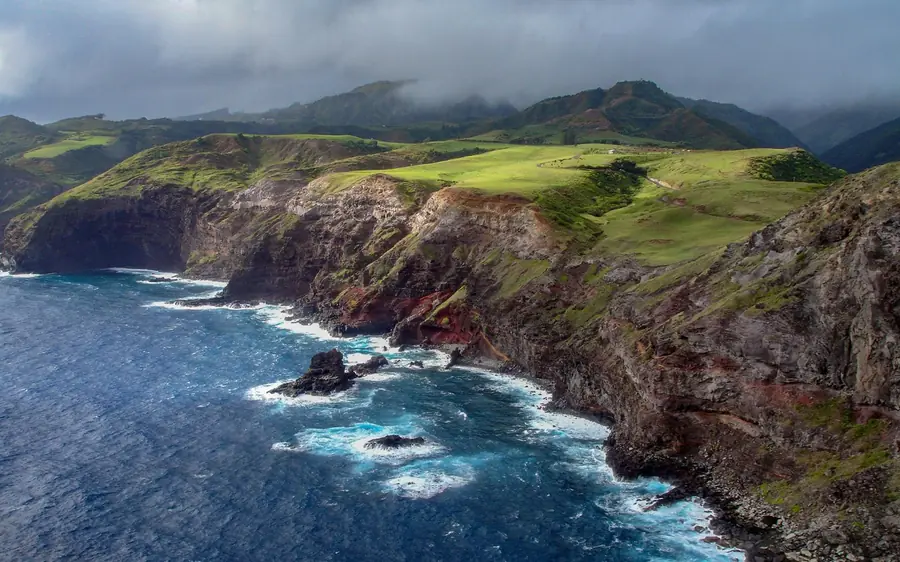
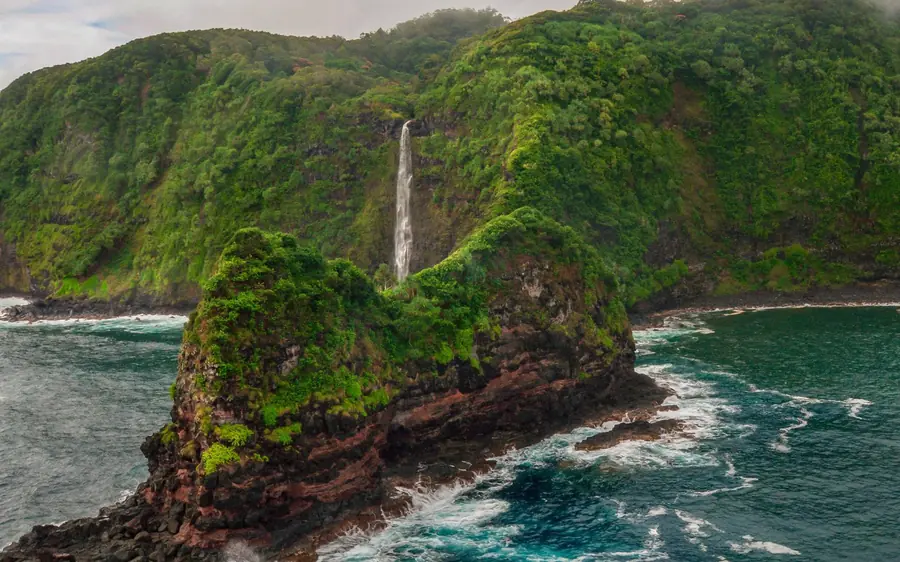
The flight does the same coast in twenty minutes each way. Which sounds like the whole argument and is not. Speed is the smaller half. The larger half is that the road shows you the rainforest in glimpses between trees, from a car park, and the flight shows it to you from above and then puts you down inside it.
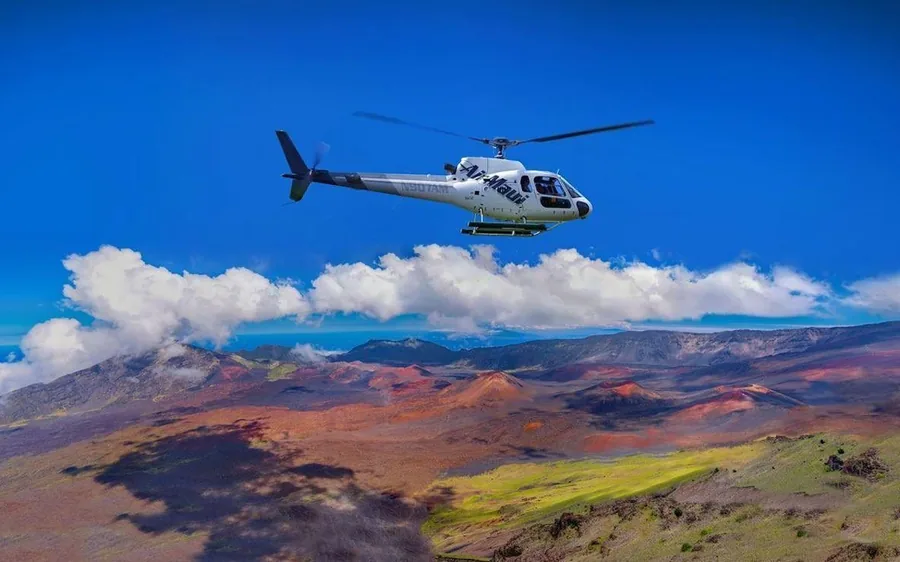
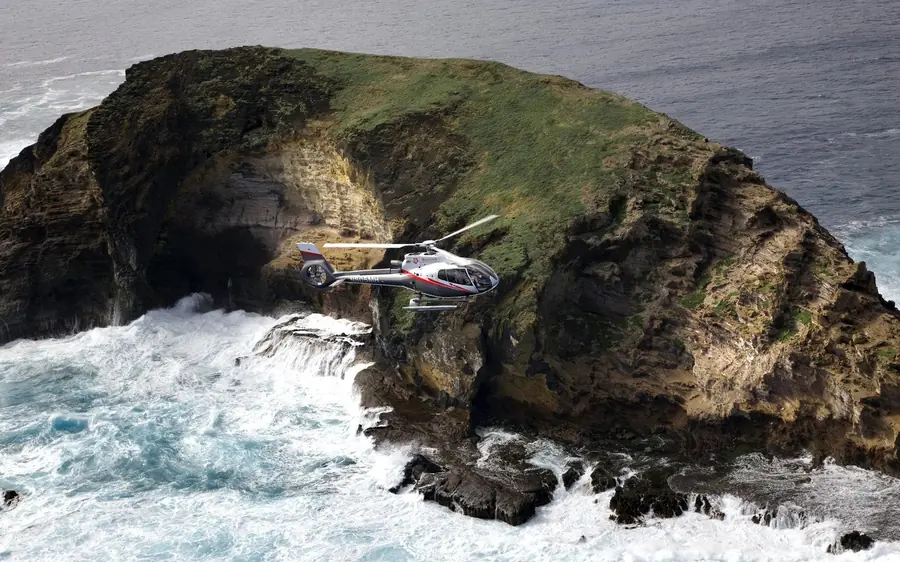
The cheaper flights are a different product, not a smaller one. Forty-five minutes at $396 covers the Hana coast, the Haleakala crater or the Molokai cliffs, doors on or off, and lands nowhere. If you want a scenic flight, that is the honest price for one. Our top pick is not a longer version of it.
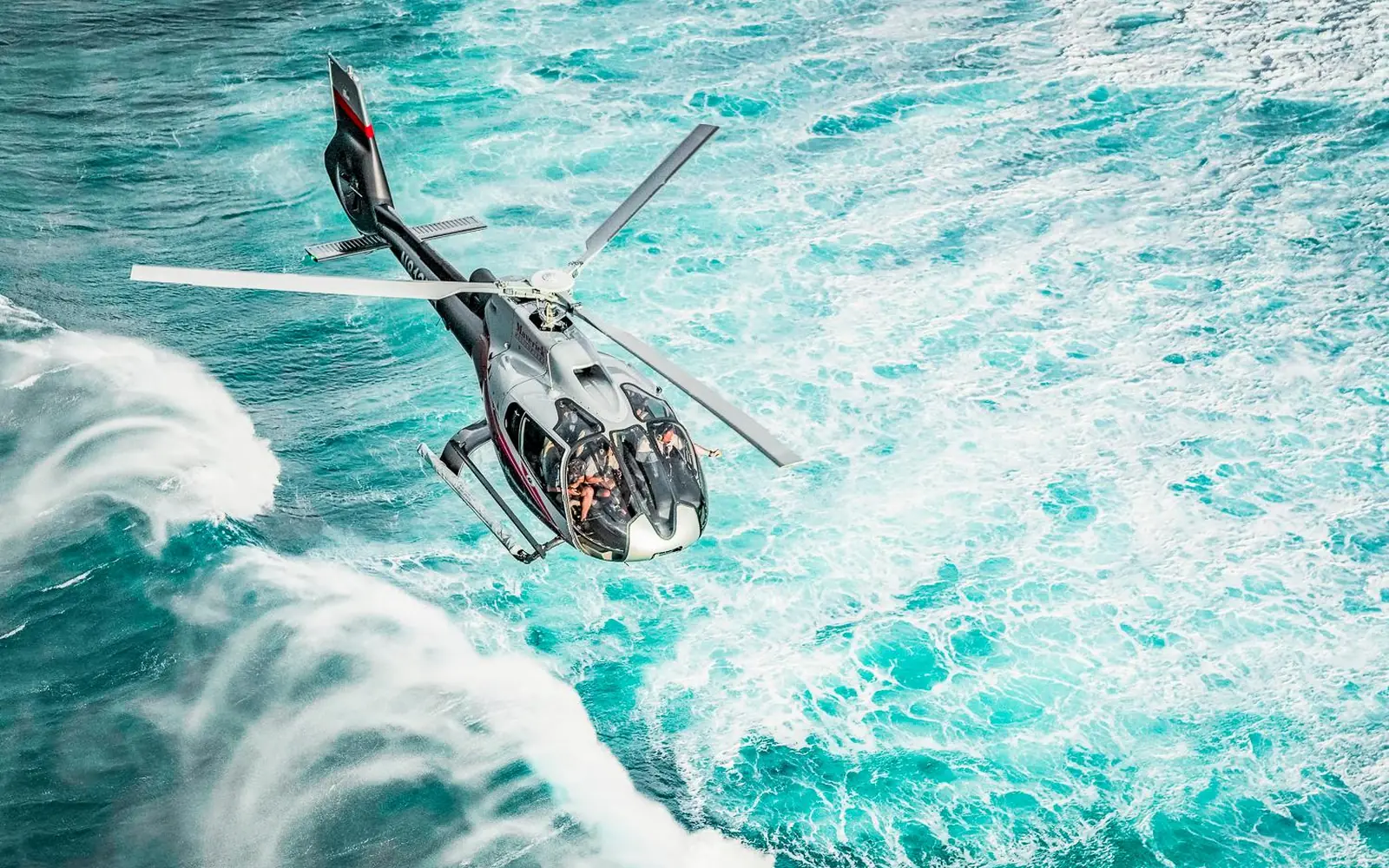
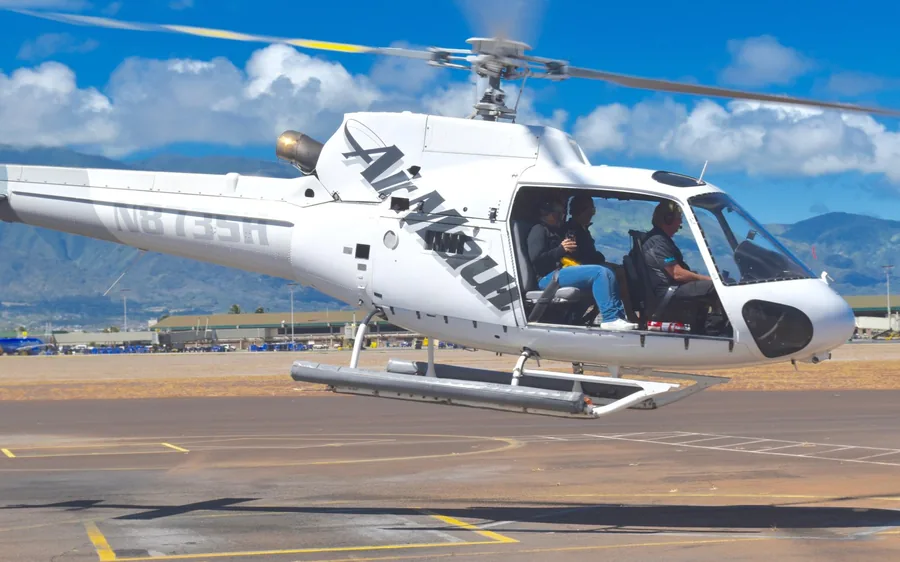
Doors off changes the photographs and the rules. Age ten and up, sixteen for an outside seat, goggles provided and required, nothing loose in your hands, long hair tied back. Nobody reads that part until check-in, and it is why people get turned away.
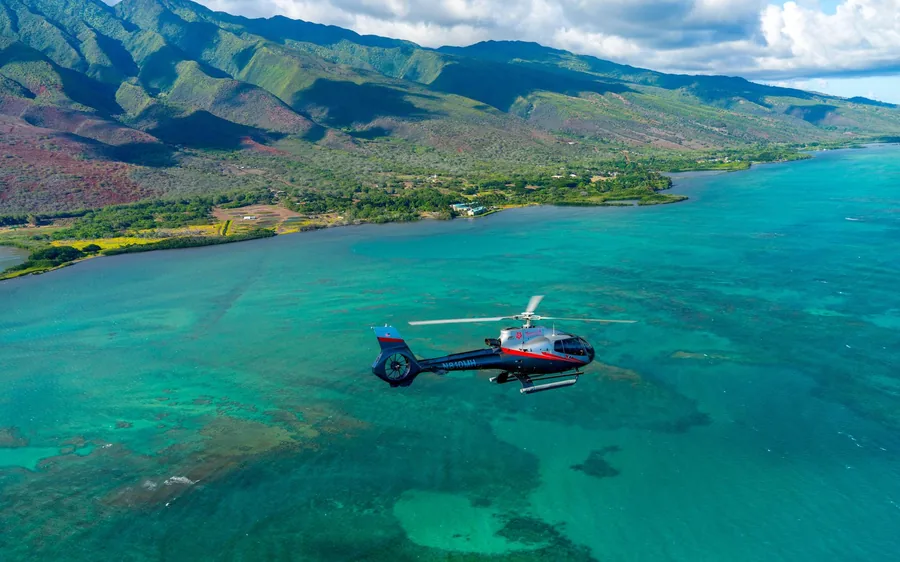
The weather that matters is not the weather at your hotel. Maui is two islands of weather. Kihei and Lahaina can be cloudless while trade-wind cloud sits on the windward side — which is exactly where the Hana rainforest is. Morning slots beat afternoon ones for this reason alone.
And the last thing, which no listing says plainly: your seat is assigned by weight. Small helicopters are loaded for balance, so unless the listing guarantees a window you may end up in the middle — which on a flight down a coastline matters more than it would anywhere else.